A game of chance is a game in which money is wagered and the winnings are determined exclusively or predominantly by chance. This includes, for example, slot machines, casino games, lotteries, sports betting and card games. However, winning hotlines or highly speculative stock market transactions also have the character of gambling. Compulsive gambling, also known as gambling addiction, is officially recognized by the WHO as a disease that can be successfully treated.
Signs and symptoms of gambling addiction can be diverse and vary from person to person. However, some common signs may include the following:
- The person spends increasing amounts of time and money gambling.
- There is a loss of control and an increasing need to bet higher amounts or gamble for longer periods of time.
- There are several unsuccessful attempts to reduce or stop gambling.
- The person shows irritability or restlessness when trying to reduce or stop gambling.
- Gambling is often used as an escape from problems or to relieve bad feelings.
- Despite the negative consequences, such as money worries or ruined relationships, gambling continues.
- There is the so-called "chasing" of losses, i.e. continuing to gamble in order to win back previous gambling debts.
- The person neglects their work, education, family, friends or hobbies because of gambling.
- The person lies to hide the extent of their gambling.
If you or someone you know shows several of these symptoms, please contact a counseling center.
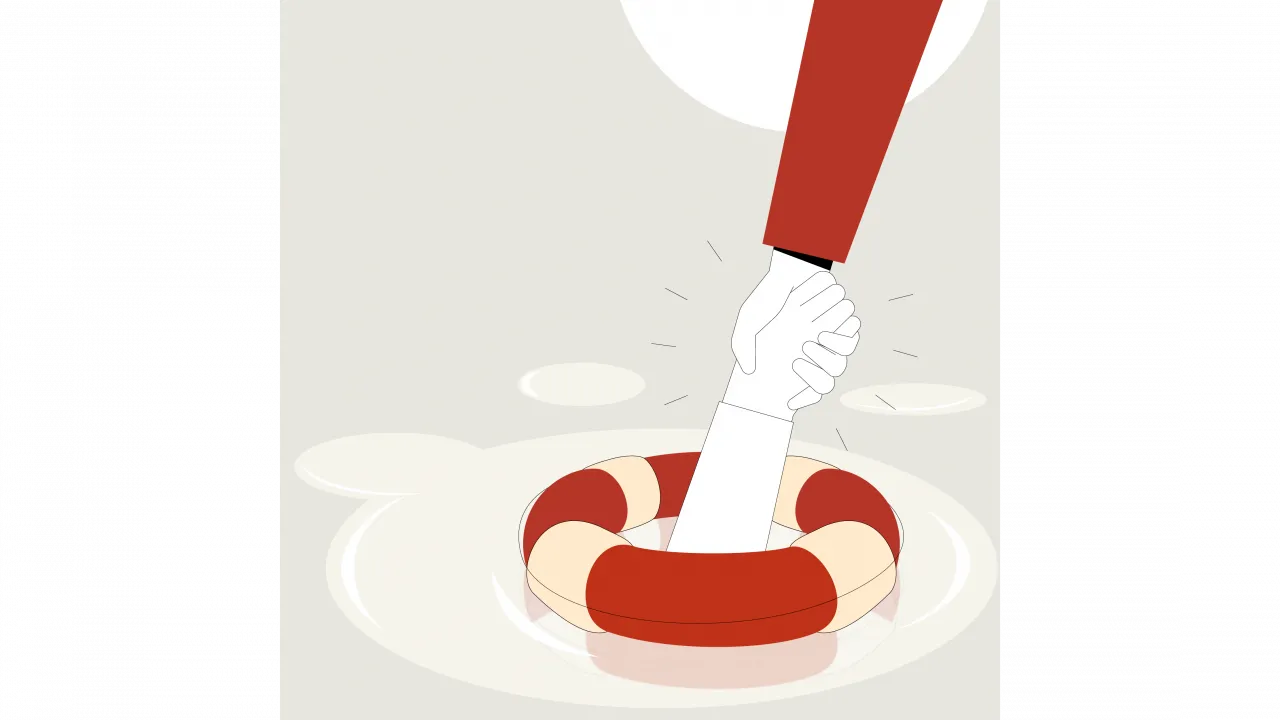
Gambling addiction is a serious illness, but with help and support, recovery is possible.